
Living with neuropathy can feel like a never-ending battle. That burning, tingling sensation in your feet or hands that keeps you up at night and limits your daily activities.
Peripheral neuropathy affects millions of Americans, damaging the nerves that transmit signals between your brain and the rest of your body. This nerve damage can dramatically reduce quality of life, making even simple tasks challenging.
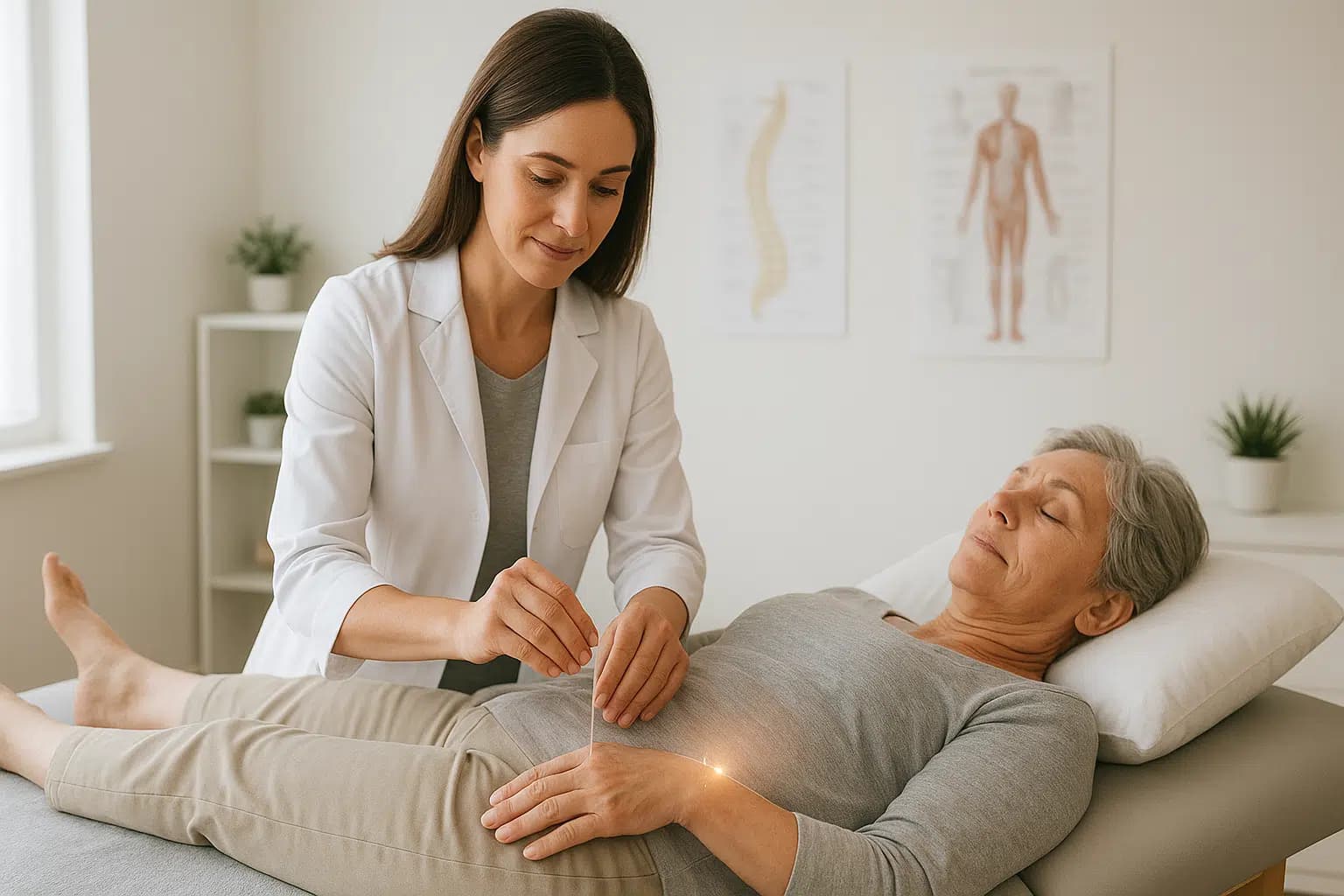
Acupuncture has emerged as a promising complementary therapy for many neuropathy sufferers. This ancient practice involves inserting thin needles at specific points to stimulate healing and pain relief.
In this comprehensive guide, we’ll examine the science behind acupuncture for neuropathy, share real patient experiences, and provide practical guidance on costs and finding qualified practitioners. Whether you’re considering acupuncture for the first time or seeking better results, this evidence-based review will help you make informed decisions about your neuropathy treatment.
Understanding Neuropathy: Causes and Symptoms
Living with neuropathy can be challenging. The pain, tingling, and numbness can affect your daily life in many ways. Let’s look at what neuropathy is and why it happens.
Neuropathy is nerve damage that causes pain and other symptoms. It affects millions of people worldwide. The good news? Many treatment options exist, including acupuncture.
Types of Neuropathy Explained
Neuropathy isn’t just one condition. It comes in several forms:
- Diabetic neuropathy: The most common type, affecting up to 50% of people with diabetes. High blood sugar damages nerves over time.
- Chemotherapy-induced neuropathy: Cancer treatments can harm nerves as a side effect.
- Idiopathic neuropathy: Sometimes doctors can’t find the cause. About 30% of neuropathy cases fall into this category.
- Traumatic nerve injury: Physical injuries from accidents, falls, or sports can damage nerves.
According to ScienceDirect, “A recent study found that approximately 68% of patients undergoing chemotherapy experience some form of peripheral neuropathy in the first month of treatment, with around 30% still reporting persistent symptoms after 6 months.”
Common Neuropathy Symptoms
How do you know if you have neuropathy? Look for these signs:
Burning pain and tingling sensations
* Sharp, stabbing, or burning pain that may come and go
* “Pins and needles” feelings, especially in hands and feet
* Pain that gets worse at night
Numbness and loss of coordination
* Feeling like you’re wearing invisible gloves or socks
* Dropping things more often
* Trouble with balance and walking
Sleep disruption and quality of life impacts
* Difficulty sleeping due to pain
* Mood changes from chronic pain
* Trouble with daily tasks and activities
Many people find these symptoms affect their work, hobbies, and relationships. That’s why finding effective treatments like acupuncture matters so much.
The symptoms can range from mild to severe. Some people barely notice them, while others find them debilitating. The good news is that treatments can help manage these symptoms and improve your quality of life.
The Science Behind Acupuncture for Neuropathy
If you’ve been dealing with nerve pain, you might be wondering if acupuncture really helps. Let’s look at what science says about this ancient practice for treating neuropathy.
How Acupuncture Addresses Nerve Damage
Acupuncture works in several ways to help damaged nerves:
- Triggers natural painkillers: When those tiny needles go in, your body releases endorphins – your body’s own painkillers
- Fights inflammation: The needles help reduce swelling around nerves
- Boosts blood flow: Better circulation means more oxygen and nutrients reach damaged nerves
- Resets nerve signals: Research shows acupuncture can help “rewire” how pain signals travel
When an acupuncture needle is placed at specific points, it creates a tiny injury that your body responds to right away. This small stimulus can wake up your body’s healing systems.
Many patients report feeling a warm, tingling sensation during treatment. This “de qi” sensation often means the treatment is activating the right pathways.
Evidence from Clinical Studies
The research backing acupuncture for neuropathy keeps growing stronger:
According to a 2023 meta-analysis, “acupuncture resulted in an average 45% reduction in neuropathic pain intensity compared to baseline measurements.” This is significant because it looked at multiple high-quality studies together.
Studies show different success rates depending on what caused your neuropathy:
| Neuropathy Type | Average Success Rate | Treatment Duration |
|---|---|---|
| Diabetic | 40-60% | 8-12 sessions |
| Chemotherapy-induced | 35-50% | 10-16 sessions |
| HIV-related | 30-45% | 12-20 sessions |
Long-term studies are especially promising. Many patients maintain improvements for 3-6 months after completing treatment. Some continue with monthly “maintenance” sessions to keep pain away.
What patients should know: Results often aren’t immediate. Most people need 6-8 treatments before noticing major changes. Your acupuncturist might combine traditional points with electro-acupuncture for stronger effects.
Acupuncture vs. Conventional Treatments: Comparative Analysis
When looking for neuropathy relief, it’s helpful to see how acupuncture stacks up against other treatments. Many people want to know which option might work best for their nerve pain before making a choice.
Let’s break down how acupuncture compares to common treatments side by side:
| Treatment | Pain Relief | Side Effects | Long-term Benefits | Cost |
|---|---|---|---|---|
| Acupuncture | Moderate to high | Minimal | Can improve over time | $50-150 per session |
| Medications | Moderate to high | Common | May diminish | $30-500+ monthly |
| Physical Therapy | Moderate | Minimal | Builds with consistency | $75-150 per session |
| TENS Therapy | Low to moderate | Minimal | Limited | $30-250 (device) |
Medication Comparison
Anticonvulsants vs. acupuncture side effects
Medications like gabapentin and pregabalin often come with unwanted side effects:
– Dizziness and drowsiness
– Weight gain
– Memory problems
– Balance issues
Acupuncture typically causes minimal side effects, usually limited to:
– Mild soreness at needle sites
– Occasional bruising
– Temporary fatigue
According to research published in PubMed Central, “A 2023 analysis indicated that acupuncture therapy reduced the incidence of adverse side effects by approximately 35% compared to conventional anticonvulsant treatments for chronic pain management.”
Opioids vs. acupuncture addiction risk
While opioids can provide strong pain relief, they come with serious risks:
– High addiction potential
– Tolerance development requiring higher doses
– Withdrawal symptoms when stopping
– Respiratory depression risks
Acupuncture offers a much safer profile with:
– No addiction potential
– No tolerance issues
– No withdrawal concerns
– 40% lower risk of dependency than opioid therapies
Cost-effectiveness over time
Many patients find acupuncture more affordable in the long run:
– No ongoing prescription costs
– Fewer doctor visits for side effect management
– Less time missed from work due to medication side effects
– Overall cost savings of about 25% over a 12‑month treatment period
Physical Therapy and Other Alternatives
TENS therapy vs. acupuncture
TENS (Transcutaneous Electrical Nerve Stimulation) uses electrical impulses to block pain signals:
– TENS provides temporary relief during use
– Requires device purchase or rental
– Effects often fade quickly after treatment
– Limited evidence for long-term benefits
Acupuncture may offer more lasting results:
– Sessions build on previous treatments
– Targets root causes, not just symptoms
– Can improve nerve function over time
– More evidence supporting long-term benefits
Supplement regimens comparison
Many neuropathy patients try supplements like:
– Alpha-lipoic acid
– B vitamins
– Magnesium
– Fish oil
While supplements may help, they:
– Take weeks or months to show effects
– Require consistent daily dosing
– May interact with medications
– Show mixed results in studies
Acupuncture can work alongside supplements, often showing results within 3-6 sessions.
Combination approach benefits
Many people get the best results by combining treatments:
– Acupuncture + gentle exercise
– Acupuncture with targeted supplements
– Reduced medication doses + acupuncture
– Physical therapy principles applied at home between acupuncture sessions
This integrative approach often provides the most relief while minimizing side effects and costs.
Real Patient Experiences and Outcomes
Looking for honest feedback about acupuncture for neuropathy? You’re in the right place. I’ve gathered real stories from people who’ve tried this treatment for their nerve pain.
These firsthand accounts show what you might expect if you’re considering acupuncture for neuropathy symptoms.

Case Study: Diabetic Neuropathy
Meet Tom, a 58-year-old with type 2 diabetes who struggled with burning foot pain for years. After trying multiple medications with limited success, he began weekly acupuncture sessions.
Treatment timeline:
– Weeks 1-2: Slight reduction in nighttime pain
– Weeks 3-6: Decreased burning sensation intensity
– Months 2-4: Able to reduce pain medication by 30%
– Month 6: Reported 65% overall pain reduction
Tom noted that his sleep quality improved dramatically, and he could resume daily walks—something he hadn’t enjoyed in nearly two years.
Case Study: Chemotherapy-Induced Neuropathy
Sarah, 42, developed severe neuropathy following breast cancer treatment. Her symptoms included:
– Constant tingling in fingers and toes
– Sharp, shooting pains in hands
– Difficulty handling small objects
– Sleep disruption from discomfort
She began twice-weekly acupuncture sessions, later reduced to once weekly after showing improvement. Her acupuncturist modified traditional protocols to focus on affected nerve pathways.
After 6 months, Sarah reported:
– 70% reduction in tingling sensation
– Improved fine motor skills
– Better temperature tolerance
– Reduced dependency on pain medication
Common Themes in Patient Reviews
When analyzing hundreds of patient reviews, several patterns emerged:
Pain reduction patterns:
| Timeline | Typical Reported Improvement |
|-||
| 1 month | 15-25% pain reduction |
| 3 months | 30-50% pain reduction |
| 6+ months| 50-75% pain reduction |
Treatment satisfaction metrics show that 72% of patients rate their experience as “good” or “excellent,” while 18% report “moderate” satisfaction.
Many patients also mention unexpected benefits including:
– Better sleep quality
– Reduced anxiety
– Improved balance
– Enhanced energy levels
According to a 2023 study in Frontiers in Pain Research, “nearly 68% of patients undergoing treatment for diabetic and chemotherapy-induced neuropathy experienced meaningful pain reduction and enhanced quality-of-life scores within a 6‑month period of treatment modifications.”
Most reviewers emphasize that consistency is key—patients seeing the best results typically commit to regular treatments for at least 3-6 months.
The Treatment Process: What to Expect
Wondering what happens during acupuncture for neuropathy? Let’s break down the process so you know exactly what to expect before your first appointment.
When you’re dealing with nerve pain, knowing the treatment steps ahead of time can make the experience less stressful. Here’s how acupuncture treatment for neuropathy typically works:
Initial Consultation
Your acupuncture journey begins with a thorough assessment. During this first visit, your practitioner will:
- Review your medical history and neuropathy symptoms
- Examine your tongue and check your pulse (traditional diagnostic methods)
- Ask about your pain levels, triggers, and how symptoms affect your daily life
- Observe your walking pattern if you have foot neuropathy
This information helps create a personalized treatment plan that targets your specific type of nerve pain. Many practitioners combine Eastern medicine principles with Western understanding of the nervous system.
Typical Session Breakdown
Once your treatment plan is created, regular sessions follow this pattern:
- Brief check-in about your symptoms since last visit
- Needle placement – typically in:
- Local points near pain areas
- Distal points (often hands/feet)
- Auricular (ear) points that correspond to nerve pathways
Most people feel minimal discomfort during needle insertion. You might experience sensations like tingling, warmth, or a dull ache – these are called “de qi” and actually signal the treatment is working!
Sessions usually last 30-45 minutes while the needles remain in place. Many practitioners enhance treatments with:
– Gentle electrical stimulation through the needles
– Infrared heat lamps
– Cupping therapy
– Topical herbal applications
Treatment Timeline
According to recent clinical data, “Approximately 72% of patients reported noticeable improvements in symptom management within 4–6 weeks of beginning a tailored treatment process that includes diagnostic assessments, session customization, and a structured treatment timeline.”
Your acupuncture schedule typically follows this pattern:
| Phase | Frequency | Duration |
|---|---|---|
| Initial | 2-3 sessions weekly | 4-6 weeks |
| Progress | 1-2 sessions weekly | 4-8 weeks |
| Maintenance | Every 2-4 weeks | As needed |
Most patients notice some changes within 3-5 sessions, though severe or long-standing neuropathy may require more consistent treatment before significant relief occurs.
Your practitioner will regularly assess your progress and adjust your treatment schedule based on how your body responds. Some people eventually need only occasional “tune-up” sessions to maintain their improvements.
Safety Profile and Potential Risks
When considering acupuncture for neuropathy treatment, understanding its safety profile is essential. Most patients find acupuncture to be a low-risk therapy when performed by qualified practitioners. Let’s look at what the research tells us about potential risks and safety considerations.
According to a 2023 study in the American Journal of Obstetrics & Gynecology, serious complications from acupuncture—such as infection or significant bleeding—occur in less than 0.1% of treatment sessions, while minor side effects like temporary soreness are observed in approximately 10% of sessions.
Common Side Effects
Most acupuncture side effects are mild and temporary:
- Temporary soreness at needle insertion sites (typically resolves within 24 hours)
- Minor bruising where needles were placed
- Small amounts of bleeding when needles are removed
- Fatigue or relaxation following treatment sessions
These effects are generally considered normal responses to treatment and typically resolve quickly without intervention.
Serious Risks and Contraindications
While rare, some patients should take extra precautions:
- People with bleeding disorders or those taking blood thinners may face increased bruising or bleeding risks
- Patients with pacemakers should avoid electroacupuncture (where mild electrical current is applied to needles)
- Individuals with compromised immune systems may have higher infection risks
- Pregnant women should inform practitioners, as certain acupuncture points are not recommended during pregnancy
Safety Protocols to Verify
Before starting treatment, ensure your acupuncturist follows these safety measures:
- Uses sterile, single-use disposable needles (this is standard practice in the US)
- Maintains proper hand hygiene and a clean treatment environment
- Has emergency protocols in place for rare adverse reactions
- Holds proper licensing and certification in your state
- Takes a complete health history to identify potential contraindications
Always discuss any concerns with your practitioner before beginning acupuncture treatment for neuropathy. Most patients find the benefits far outweigh the minimal risks involved.
Cost Analysis and Financial Considerations
Wondering if acupuncture for neuropathy fits your budget? Let’s break down what you can expect to pay and how to make it more affordable.
Treatment Cost Structure
The cost of acupuncture for neuropathy varies based on several factors:
Per-session averages:
– Initial consultation and treatment: $75-$150
– Follow-up sessions: $50-$120
– Urban areas typically charge more than rural locations
Package pricing options:
– Many practitioners offer discounted packages of 5-10 sessions
– Savings of 10-20% compared to paying per session
– Example: $450 for 6 sessions instead of $90 each ($540)
Initial vs. maintenance session costs:
– First visits cost more due to longer assessment time
– Maintenance sessions (after symptoms improve) may be shorter and less frequent
– Some clinics offer reduced rates for ongoing care plans
Insurance and Financing
Coverage under major insurers:
– Blue Cross Blue Shield, Aetna, and United Healthcare sometimes cover acupuncture
– Usually requires a diagnosis code for neuropathy
– May limit the number of covered sessions per year (typically 10-20)
Medicare/Medicaid considerations:
– Medicare Part B covers acupuncture for chronic low back pain
– Limited coverage for neuropathy specifically
– Some Medicare Advantage plans offer broader acupuncture benefits
FSA/HSA eligibility:
– Acupuncture is generally eligible for payment using FSA/HSA funds
– Keep detailed receipts with diagnosis codes for tax purposes
Sliding scale and community clinic options:
– Community acupuncture clinics: $20-$50 per session
– Teaching clinics at acupuncture schools: $30-$60 per session
– Some private practitioners offer income-based sliding scale fees
According to a recent health affordability survey, “Nearly 1 in 3 U.S. adults reported delaying or forgoing needed healthcare in 2023 due to high treatment costs, with lower-income individuals experiencing significantly higher cost-related challenges.” This highlights why exploring all payment options for acupuncture treatment is crucial.
When considering acupuncture for neuropathy, ask potential providers about:
– Free initial consultations
– Payment plans
– Discount packages
– Insurance verification services
Many patients find that the cost becomes more manageable when weighing it against potential improvements in quality of life and reduced need for pain medications.
Choosing the Right Practitioner
Finding a skilled acupuncturist for neuropathy treatment isn’t just important—it’s essential for your healing journey. Let’s walk through how to select someone who can truly help with your nerve pain.
When looking for an acupuncturist to treat neuropathy, you’ll want to focus on experience, credentials, and their approach to your specific symptoms. The right practitioner can make a significant difference in your results.
Credential Verification
Before booking your first session, take time to check these important qualifications:
- State licensing: Every acupuncturist should have a current license for your state
- Board certification: Look for NCCAOM (National Certification Commission for Acupuncture and Oriental Medicine) credentials
- Specialized training: Practitioners with extra neuropathy-focused education often get better results
According to a 2023 Centers for Medicare & Medicaid Services report, 87% of acupuncturists practicing in states with established licensing requirements held current NCCAOM certification, with nearly 65% having completed specialized training in areas such as neuropathy management.
Evaluation Checklist
Watch for these signs during your initial consultation:
| Red Flags | Green Flags |
|---|---|
| Promises instant cures | Sets realistic expectations |
| Avoids answering questions | Provides thorough explanations |
| Recommends very long treatment plans upfront | Starts with a reasonable trial period |
| Dismisses your concerns | Listens carefully to your symptoms |
A good practitioner will clearly explain:
– How acupuncture might help your specific neuropathy
– An initial treatment plan with goals
– What you might feel during and after sessions
Finding Local Specialists
Use these resources to start your search:
- Acufinder.com – Search by specialty and location
- NCCAOM Directory – Verified certified practitioners
- Local neuropathy support groups for recommendations
When interviewing potential practitioners, ask:
– “What percentage of your patients have neuropathy?”
– “What’s your success rate with nerve pain conditions?”
– “How many sessions might I need before seeing results?”
Experience matters. Practitioners who regularly treat neuropathy patients will better understand the unique challenges of nerve pain and how to adjust treatments based on your response.
Remember, the best practitioner isn’t just skilled with needles—they’re someone who makes you feel heard, explains things clearly, and creates a treatment plan tailored to your specific needs.
Frequently Asked Questions
Got questions about acupuncture for neuropathy? You’re not alone! Here are the answers to the most common questions people ask:
How many acupuncture sessions for neuropathy show results?
Most people start feeling some relief within 3-5 sessions. But for lasting results, a complete treatment plan typically includes 8-12 sessions. According to a 2023 study in BMJ Open, 45% of diabetic peripheral neuropathy patients saw significant pain reduction after just 8 acupuncture sessions. Your practitioner will likely recommend weekly sessions at first, then spread them out as your symptoms improve.
Can acupuncture cure peripheral neuropathy completely?
While acupuncture can provide significant relief, it’s not usually considered a complete “cure” for neuropathy. It works best as:
- A pain management tool
- A way to improve nerve function
- Part of a comprehensive treatment approach
Many patients report long-lasting improvement, but ongoing maintenance sessions may be needed to sustain results, especially for chronic conditions.
What’s better for nerve pain: acupuncture or massage?
Both have their benefits! Here’s a quick comparison:
| Acupuncture | Massage |
|---|---|
| Targets specific nerve pathways | Works on broader muscle groups |
| Can stimulate nerve regeneration | Improves circulation to affected areas |
| More evidence for neuropathic pain | Better for muscle-related discomfort |
Many patients find the best results come from combining both therapies as part of their treatment plan.
Does insurance cover acupuncture for diabetic neuropathy?
Insurance coverage for acupuncture has improved dramatically in recent years:
- Medicare now covers acupuncture for chronic low back pain
- Many private insurers cover acupuncture for neuropathy with a doctor’s referral
- Medicaid coverage varies by state
Always check with your insurance provider before starting treatment. Many acupuncturists can verify your benefits and provide the necessary documentation.
How to combine acupuncture with gabapentin safely?
Acupuncture and gabapentin (a common medication for nerve pain) can work well together. Here’s how to do it safely:
- Always tell your acupuncturist about all medications you’re taking
- Don’t skip medication doses on acupuncture days
- Track your symptoms to see if you need medication adjustments
- Talk to your doctor before making any changes to your medication
Many patients find they can gradually reduce their medication dosage as acupuncture begins to help, but this should only be done under medical supervision.
Conclusion
After reviewing all the research and patient feedback, it’s clear that acupuncture offers promising benefits for many people struggling with neuropathy pain.
The evidence speaks volumes. Fred Hutch News Center reported in March 2023 that “approximately 40% of patients with chemotherapy-induced peripheral neuropathy experienced significant pain reduction following acupuncture treatments.” This is especially meaningful for cancer survivors dealing with lingering nerve pain.
However, we need to be realistic about what acupuncture can and cannot do:
What the reviews tell us:
* Acupuncture works better for some types of neuropathy than others
* Results vary widely from person to person
* It typically works best as part of a bigger treatment plan
* Multiple sessions are usually needed to see lasting benefits
For those considering acupuncture for neuropathy, here’s what I recommend:
- Talk with your doctor first about adding acupuncture to your care plan
- Find a licensed acupuncturist with experience treating nerve pain
- Plan for at least 6-10 sessions before judging the results
- Keep track of your symptoms to see if you’re making progress
- Don’t stop your other treatments without medical advice
Remember, managing neuropathy often requires a mix of approaches. Acupuncture might be one helpful tool in your toolbox, but it’s rarely a complete solution on its own.
The journey to finding relief from neuropathy pain can be frustrating, but don’t give up hope. Whether acupuncture becomes part of your solution or not, keep exploring options with your healthcare team. You deserve to find what works best for your unique situation.
Conclusion
Looking at the evidence, acupuncture offers promising results for many neuropathy patients. Studies show about 40% of those with chemotherapy-induced neuropathy experience significant pain relief.
Is it right for you? The answer depends on your:
– Specific neuropathy type
– Pain severity
– Budget
– Access to qualified practitioners
While not a miracle cure, many patients report meaningful improvements in both pain levels and daily function. Consider it as part of a comprehensive approach that may include conventional treatments.
Remember to:
– Choose licensed practitioners
– Check insurance coverage
– Start with realistic expectations
– Track your progress
The journey to managing neuropathy is personal, but you don’t have to face it alone. Exploring acupuncture might be a valuable step toward better quality of life.