
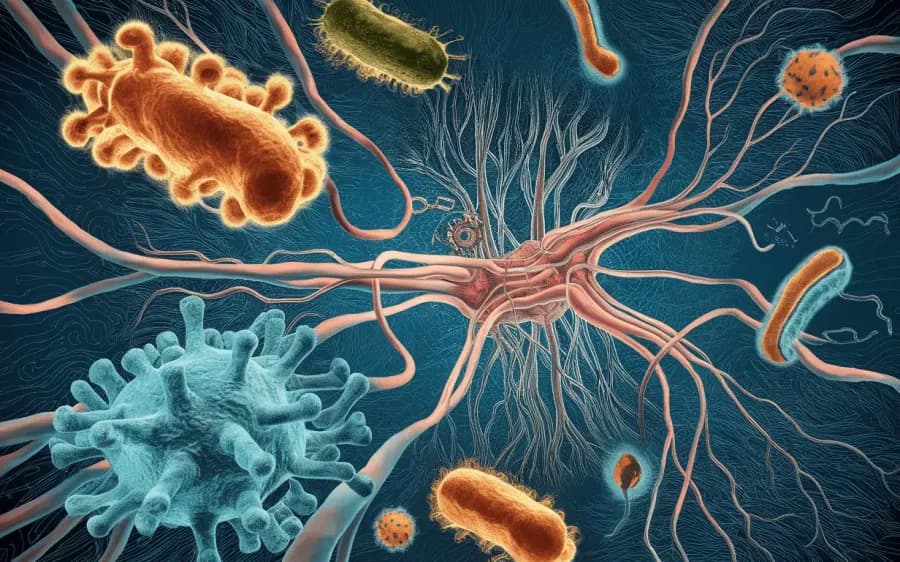
Neuropathy, a condition characterized by nerve damage, can be caused by various infections that impact the peripheral nervous system. Understanding these infections and their implications is crucial for prevention and management.
- Neuropathy can be triggered by infections such as HIV, Lyme disease, Hepatitis B and C, and more.
- Early diagnosis and treatment are essential to minimize nerve damage.
- Awareness of symptoms and risk factors can lead to better health outcomes.
What is Neuropathy?
Neuropathy refers to nerve damage that often results in pain, numbness, tingling, and muscle weakness. It can affect different types of nerves, such as sensory, motor, and autonomic nerves. While diabetes is a common cause, infections are also significant contributors.
Understanding Infections That Cause Neuropathy
Viral Infections
HIV/AIDS: Human Immunodeficiency Virus (HIV) can lead to neuropathy, particularly in advanced stages. It often causes peripheral neuropathy, leading to numbness and pain in the extremities.
Herpes Virus: Both Herpes Simplex Virus (HSV) and Varicella-Zoster Virus (VZV) can cause nerve damage. VZV, responsible for chickenpox and shingles, can lead to postherpetic neuralgia, a painful condition affecting nerve fibers and skin.
Hepatitis B and C: Hepatitis, an inflammation of the liver, can also cause peripheral neuropathy. The exact mechanism is unclear, but it’s believed that the virus’s impact on the immune system contributes to nerve damage.
Bacterial Infections
Lyme Disease: Caused by the bacterium Borrelia burgdorferi, Lyme disease is transmitted through tick bites. It can cause radiculoneuropathy, which leads to pain, numbness, or weakness in the limbs.
Leprosy: Also known as Hansen’s disease, caused by Mycobacterium leprae, this infection primarily affects the skin, nerves, and mucous membranes, leading to severe peripheral neuropathy if untreated.
Diphtheria: An infection caused by Corynebacterium diphtheriae, diphtheria can lead to neuropathy by producing toxins that damage nerves.
Parasitic Infections
Chagas Disease: This disease, caused by the parasite Trypanosoma cruzi, affects millions in Latin America and can cause significant nerve damage, particularly to the digestive system and heart.
Symptoms of Infection-Induced Neuropathy
Symptoms vary depending on the type of nerve affected:
- Sensory Nerves: Numbness, tingling, pain, and loss of sensation.
- Motor Nerves: Weakness, muscle cramps, and loss of coordination.
- Autonomic Nerves: Problems with blood pressure, heart rate, sweating, and digestion.
Diagnosing Neuropathy
Diagnosis typically involves:
- Clinical Examination: Assessing symptoms and medical history.
- Electromyography (EMG): Measuring electrical activity in muscles.
- Nerve Conduction Studies (NCS): Evaluating the speed and strength of signals traveling between nerves.
- Blood Tests: Detecting infections, vitamin deficiencies, and other underlying conditions.
- Imaging: MRI or CT scans to check for physical abnormalities.
Common Infections and Their Neuropathic Symptoms
| Infection | Pathogen | Neuropathic Symptoms |
|---|---|---|
| HIV/AIDS | Human Immunodeficiency Virus | Numbness, pain, muscle weakness |
| Herpes Virus | Herpes Simplex/Varicella-Zoster | Nerve pain, postherpetic neuralgia |
| Hepatitis B and C | Hepatitis B/C Virus | Peripheral neuropathy |
| Lyme Disease | Borrelia burgdorferi | Radiculoneuropathy, joint pain |
| Leprosy | Mycobacterium leprae | Severe peripheral neuropathy |
| Diphtheria | Corynebacterium diphtheriae | Nerve damage from toxin production |
| Chagas Disease | Trypanosoma cruzi | Digestive and cardiac neuropathy |
Real-Life Experiences with Neuropathy
Countless individuals face the daily struggles of neuropathy. For instance, John, a 45-year-old software engineer, developed neuropathy following an undiagnosed case of Lyme disease. His journey underscores the importance of early detection and treatment. With a combination of antibiotics and lifestyle adjustments, John managed to reduce his symptoms and regain a sense of normalcy.
Managing and Treating Neuropathy
Management focuses on treating the underlying infection and alleviating symptoms:
Medications
- Antibiotics/Antivirals: To treat bacterial and viral infections.
- Pain Relievers: Over-the-counter or prescription medications to manage pain.
- Antidepressants and Anticonvulsants: Often used to relieve neuropathic pain.
Lifestyle Changes
- Healthy Diet: Rich in vitamins and minerals to support nerve health.
- Regular Exercise: Enhances blood flow and reduces nerve pain.
- Avoiding Alcohol: Helps prevent further nerve damage.
Preventive Measures
Preventing infections that cause neuropathy involves:
- Vaccinations: For preventable diseases like hepatitis and diphtheria.
- Safe Practices: Using protection during sexual activity to prevent HIV and other sexually transmitted infections.
- Tick Protection: Wearing long sleeves and using insect repellent in tick-infested areas to prevent Lyme disease.
- Healthy Living: Maintaining a strong immune system through a balanced diet and regular exercise.
Preventive Strategies for Infection-Induced Neuropathy
| Preventive Measure | Description | Target Infection |
|---|---|---|
| Vaccinations | Immunization against hepatitis, diphtheria | Hepatitis B, Diphtheria |
| Safe Sexual Practices | Using condoms, routine testing | HIV/AIDS |
| Tick Protection | Using repellents, wearing protective clothing | Lyme Disease |
| Healthy Living | Balanced diet, regular exercise | General immune health |
| Vector Control | Reducing exposure to insect vectors | Chagas Disease |
Key Symptoms to Watch For
- Persistent numbness or tingling
- Unexplained muscle weakness
- Loss of coordination
- Digestive issues or irregular heartbeats
Early intervention can significantly improve outcomes. If you suspect neuropathy, consulting with a healthcare professional promptly is crucial.
Living with Neuropathy
Living with neuropathy requires a proactive approach to health:
- Regular Check-ups: Ongoing monitoring to manage symptoms and prevent complications.
- Support Groups: Connecting with others facing similar challenges can provide emotional support and practical advice.
- Physical Therapy: Tailored exercises to maintain mobility and reduce pain.
Tips for Managing Neuropathy
- Stay active with low-impact exercises like swimming or walking.
- Eat a balanced diet rich in vitamins B12, B6, and E.
- Avoid smoking and excessive alcohol consumption.
- Use ergonomic aids to reduce strain on affected areas.
- Practice good foot care, especially for those with diabetes.
The Role of Chiropractic Care
Chiropractic care can be a valuable component of managing neuropathy. Techniques such as spinal adjustments and physical therapy can help alleviate pain and improve nerve function. Our clinic, Explore Family Chiropractic, offers personalized care plans aimed at addressing the root cause of neuropathy and enhancing overall well-being.
Case Study: Chiropractic Success
Consider Maria, who experienced severe neuropathy symptoms due to Hepatitis C. Through a comprehensive chiropractic care plan, including spinal adjustments and lifestyle modifications, Maria saw a significant reduction in pain and improvement in her quality of life.
Conclusion
Infections causing neuropathy represent a significant health concern. Understanding the link between infections and nerve damage is essential for prevention, early diagnosis, and effective treatment. By staying informed and proactive, individuals can better manage neuropathy and maintain a higher quality of life.
For those seeking specialized care, Explore Family Chiropractic is committed to providing tailored chiropractic services that address the unique needs of our patients.
Stay healthy, stay informed, and remember that early intervention is key to managing neuropathy effectively. If you experience symptoms, don’t hesitate to reach out for professional help.