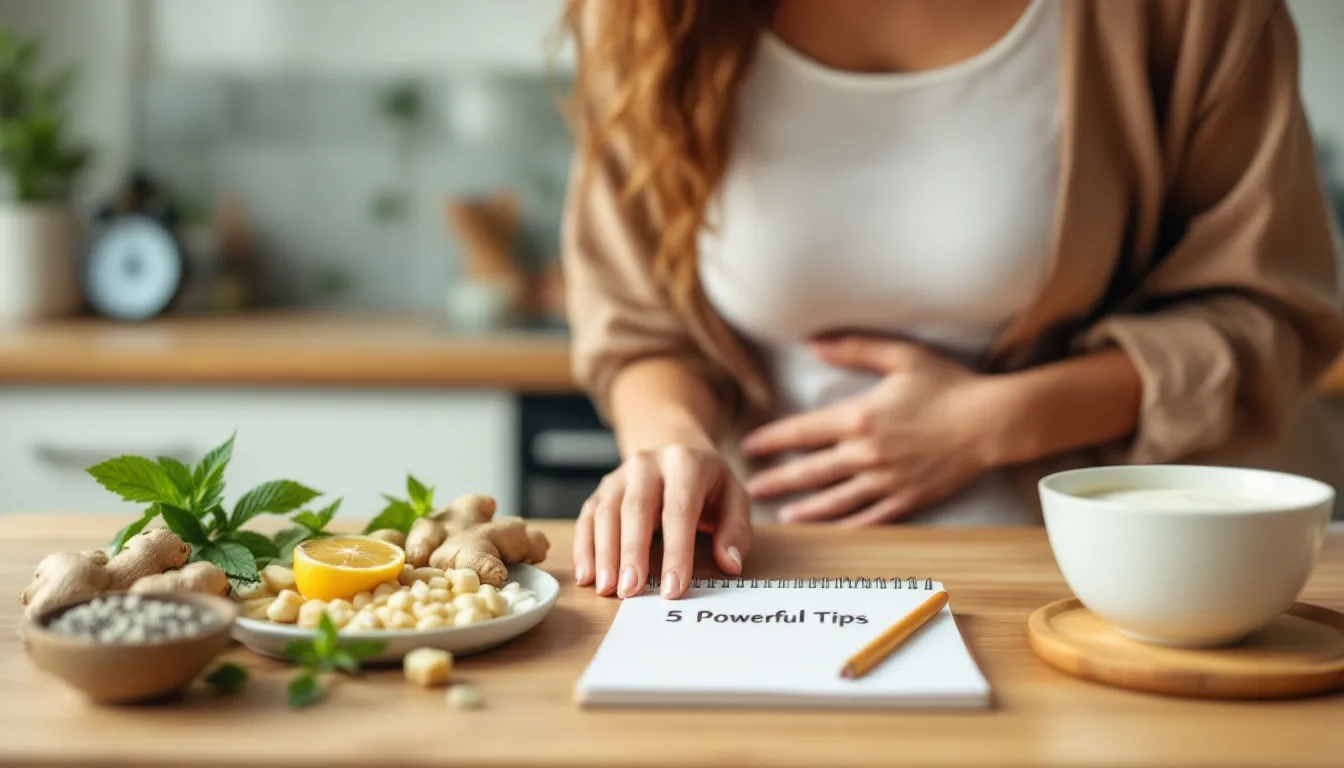
A lower stomach ache after eating can be uncomfortable and confusing. You might feel pain, cramping, or bloating. These feelings can happen for many reasons. It is important to know what could be causing these symptoms.
Key Takeaways
- Pain after meals: Many people get pain in the lower stomach after eating.
- Common causes: This can happen due to what you eat, how much you eat, or how your body reacts to food.
- When to seek help: If the pain is severe or lasts a long time, it is wise to see a doctor.
- Chiropractic care: Sometimes, chiropractic care can help with stomach issues by focusing on the spine and nervous system.
- Lifestyle changes: Simple changes in diet and habits can reduce stomach aches.
For those in Aurora, Ohio, learning about how chiropractic treatment can assist with digestive issues might be beneficial.
What Happens in Your Body
When you eat, your body goes through a lot of changes. Food moves from your mouth to your stomach and then to your intestines. Your stomach makes acids to break down the food. If something goes wrong in this process, you might feel pain.
Symptoms of Lower Stomach Pain
Many people experience different symptoms besides pain. These can include:
- Bloating
- Gas
- Nausea
- Diarrhea
- Constipation
These feelings can make you uncomfortable and may make you not want to eat.
Common Causes of Lower Stomach Pain
1. Food Choices
What you eat can greatly affect your stomach. Certain foods can cause more pain than others. For example:
- Spicy Foods: These can irritate the stomach lining.
- Fatty Foods: Foods high in fat can slow digestion. This can lead to discomfort.
- Dairy Products: Some people have trouble with lactose. This can lead to pain and bloating.
2. Eating Habits
How you eat can matter too. If you eat too fast, you might swallow air. This can cause gas and pain. Eating large meals can fill your stomach and lead to cramping.
3. Food Intolerance
A food intolerance can lead to pain after eating. This means your body has trouble digesting certain foods. Common intolerances include gluten and lactose.
4. Stress and Anxiety
Feelings of stress and anxiety can upset your stomach. If you are worried, your body may react with pain.
5. Medical Conditions
Some medical conditions may cause lower stomach pain. Here are a few:
- Irritable Bowel Syndrome (IBS): This condition affects the large intestine. It can cause pain, gas, and bloating.
- Gastroenteritis: This is an inflammation of the stomach and intestines. It often comes from viruses or food poisoning.
- Appendicitis: This is a serious condition. It happens when the appendix gets inflamed. Pain usually starts around the belly button and moves to the lower right side.
| Medical Condition | Symptoms | Suggested Actions |
|---|---|---|
| Irritable Bowel Syndrome (IBS) | Abdominal pain, bloating, gas | Dietary changes, medication, stress management |
| Gastroenteritis | Nausea, vomiting, diarrhea | Stay hydrated, consult a doctor if severe |
| Appendicitis | Sharp pain in lower right abdomen | Immediate medical attention required |
Diagnosing the Cause of Your Pain
If you have lower stomach pain often, it is important to see a doctor. They can help figure out what is wrong. The doctor may ask you about your symptoms and eating habits. They might also do tests like blood work or imaging.
Tests That May Be Done
- Ultrasound: This test uses sound waves to create images of your organs.
- Endoscopy: A thin tube with a camera goes into your stomach. This lets the doctor see the inside.
- Blood Tests: These can check for infections or problems with your organs.
Treatment Options for Lower Stomach Ache After Eating
Over-the-Counter Medications
Depending on the cause, some medications can help. Here are a few options:
- Antacids: These can help with acid in the stomach.
- Laxatives: If you are constipated, these can help you go to the bathroom.
- Anti-gas medicines: These can reduce gas and bloating.
Prescription Medications
If over-the-counter options do not help, your doctor might prescribe medications. These can help with conditions like IBS or ulcers.
Lifestyle Changes
Making simple changes can greatly help with stomach pain:
- Eat Smaller Meals: This can make it easier on your stomach.
- Stay Hydrated: Drinking water is important for digestive health.
- Avoid Trigger Foods: If certain foods cause pain, it is best to avoid them.
When to See a Chiropractor
Chiropractors focus on the spine and nervous system. They can help with pain and discomfort. If you often have lower stomach pain, it may be worth considering chiropractic care. By adjusting the spine, chiropractors aim to improve overall health. This can help your body work better, including digestion.
Additional Considerations for Chiropractic Care:
- Enhance nerve function for better digestion
- Encourage stress relief through physical treatments
- Promote overall well-being and health
How Chiropractic Care Can Help
A chiropractor may use different techniques to help. They look at how your spine and nerves work together. If there is pressure on your nerves, it can affect your digestive system.
Benefits of Chiropractic Adjustments
- Improved Nerve Function: This can help with pain and discomfort.
- Better Digestion: A well-aligned spine can support better digestive health.
- Reduced Stress: Chiropractic care can help lower stress levels, which also helps digestion.
Tips for Managing Lower Stomach Pain After Eating
Here are some tips that may help you manage your lower stomach pain:
Keep a Food Diary
Write down what you eat and when you feel pain. This can help you find patterns. You may discover foods that cause your stomach issues.
Practice Relaxation Techniques
Try deep breathing or meditation. These can help reduce stress, which may help your stomach.
Stay Active
Regular exercise can help with digestion. Even a short walk after eating can make a difference.
Additional Lifestyle Tips
- Monitor portion sizes: Eating smaller portions can reduce discomfort.
- Incorporate probiotics: Foods rich in probiotics can help with digestion.
- Limit carbonated drinks: These can produce gas and bloating.
When to Seek Medical Help
If your lower stomach pain is severe or persistent abdominal pain, it is important to see a doctor. Other signs you should see a doctor include:
- Pain that gets worse.
- Fever or chills.
- Vomiting.
- Blood in your stool.
Conclusion
Lower stomach ache after eating can happen for various reasons. It can be due to what you eat, how you eat, or even stress. Keeping track of your symptoms and making changes can help. If you have ongoing pain, consider seeing a doctor or a chiropractor. They can help you find the right way to feel better.
If you are in Aurora, Ohio, and need help, consider visiting Explore Family Chiropractic. They can work with you to find ways to improve your health and comfort. Remember, taking care of your body is important, and there are many options to help you feel better, including exploring chiropractic services for digestive health.