
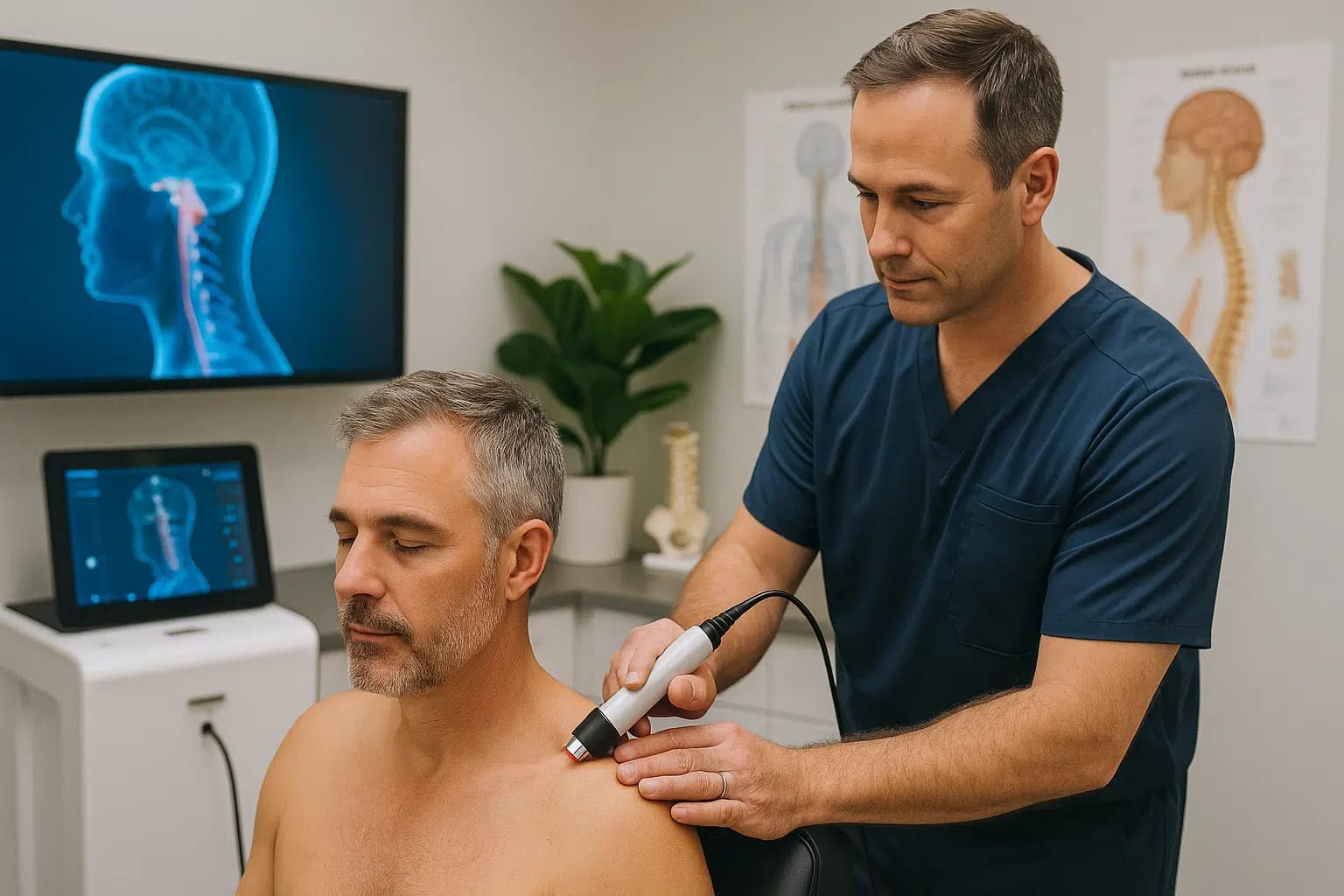
Nerve pain affects millions of Americans, causing debilitating symptoms that can significantly impact quality of life. While traditional medicine often relies on pharmaceutical interventions, a growing body of scientific research demonstrates that chiropractic care offers effective, evidence-based solutions for various types of nerve pain. Understanding the mechanisms behind these treatments can help patients make informed decisions about their healthcare.
At Explore Family Chiropractic in Aurora, Ohio, we combine cutting-edge research with clinical expertise to provide scientifically-grounded treatments for nerve pain conditions. Our approach is rooted in understanding the complex neurophysiology behind pain and how targeted chiropractic interventions can restore normal function.
Understanding Nerve Pain: The Neurophysiological Foundation
Types of Nerve Pain and Their Mechanisms
Neuropathic pain arises from damage or dysfunction within the nervous system itself, distinct from nociceptive pain that results from tissue damage. The scientific understanding of nerve pain includes several key mechanisms:
Peripheral Sensitization
When peripheral nerves are damaged or irritated, they can become hypersensitive, leading to:
- Spontaneous nerve firing without external stimuli
- Lowered activation thresholds making normal stimuli painful
- Altered ion channel function in nerve membranes
- Inflammatory cascade activation that perpetuates pain signals
Central Sensitization
The spinal cord and brain can become sensitized to pain signals, resulting in:
- Amplification of pain signals at the spinal level
- Wind-up phenomena where repeated stimuli cause increasing pain
- Expansion of receptive fields affecting larger body areas
- Neuroplastic changes in pain processing centers
Autonomic Nervous System Involvement
Nerve pain often involves sympathetic nervous system dysfunction:
- Altered blood flow to affected tissues
- Temperature regulation problems in painful areas
- Sudomotor changes affecting sweating patterns
- Trophic changes in skin, hair, and nail growth
The Role of Spinal Mechanics in Nerve Function
Research has established clear connections between spinal biomechanics and nerve function:
Spinal Subluxation Complex
The scientific concept of vertebral subluxation involves:
- Mechanical dysfunction of spinal joints
- Neurological interference affecting nerve transmission
- Inflammatory responses in surrounding tissues
- Adaptive changes in muscle function and posture
Nerve Root Compression Syndromes
Scientific studies demonstrate how spinal misalignments can:
- Reduce foraminal space where nerves exit the spine
- Increase mechanical pressure on nerve roots
- Compromise blood supply to nerve tissues
- Create inflammatory environments that sensitize nerves
The Neurophysiological Mechanisms of Chiropractic Treatment
Gate Control Theory and Pain Modulation
Melzack and Wall’s Gate Control Theory provides a scientific foundation for understanding how chiropractic adjustments affect pain perception:
Spinal Gating Mechanisms
Chiropractic adjustments activate large-diameter mechanoreceptors that:
- Close the pain gate at the spinal level
- Inhibit pain signal transmission to the brain
- Compete with nociceptive inputs for neural processing
- Reduce overall pain perception through physiological mechanisms
Descending Pain Inhibition
Research shows that spinal adjustments can activate:
- Brainstem pain inhibitory centers that reduce pain signals
- Endogenous opioid systems for natural pain relief
- Serotonergic and noradrenergic pathways that modulate pain
- Periaqueductal gray matter activation for pain suppression
Neuroplasticity and Chiropractic Interventions
Neuroplasticity research reveals how chiropractic care can promote positive changes in the nervous system:
Synaptic Plasticity
Chiropractic adjustments can influence:
- Long-term potentiation in pain pathways
- Synaptic strength between neurons
- Neurotransmitter release patterns
- Receptor sensitivity changes
Cortical Reorganization
Studies using neuroimaging show that chiropractic care can:
- Normalize cortical maps in the brain
- Reduce hyperexcitability in pain centers
- Restore normal sensory processing patterns
- Improve motor control through cortical changes
Mechanotransduction and Cellular Responses
Mechanotransduction describes how mechanical forces from adjustments create cellular changes:
Cellular Signaling Pathways
Chiropractic adjustments activate:
- Mechanosensitive ion channels in nerve membranes
- Intracellular signaling cascades that affect gene expression
- Inflammatory mediator release patterns
- Growth factor production that supports nerve healing
Tissue Remodeling
Research demonstrates that mechanical stimulation can:
- Promote collagen synthesis in damaged tissues
- Enhance tissue repair processes
- Improve tissue quality and function
- Reduce scar tissue formation that can compress nerves
Evidence-Based Research Supporting Chiropractic Nerve Pain Treatment
Clinical Trial Evidence
Sciatica and Lumbar Radiculopathy
Systematic reviews and randomized controlled trials have shown:
- Bronfort et al. (2008): Chiropractic manipulation was more effective than medication for acute low back pain with radiculopathy
- Santilli et al. (2006): Patients with sciatica receiving chiropractic care showed faster recovery than those receiving physical therapy alone
- Lewis et al. (2015): Spinal manipulation provided significant pain relief and functional improvement in lumbar radiculopathy
Cervical Radiculopathy
Research on neck-related nerve pain demonstrates:
- Cleland et al. (2007): Cervical manipulation combined with exercise showed superior outcomes compared to exercise alone
- Young et al. (2009): Patients with cervical radiculopathy experienced significant improvement in pain and function with chiropractic care
- Boyles et al. (2011): Multimodal treatment including spinal manipulation was more effective than medication alone
Carpal Tunnel Syndrome
Studies on peripheral nerve compression show:
- Valente & Gibson (1994): Chiropractic treatment was effective for carpal tunnel syndrome symptoms
- Burke et al. (2007): Conservative chiropractic care provided significant improvement in carpal tunnel patients
- Tal-Akabi & Rushton (2000): Manual therapy approaches showed effectiveness for median nerve compression
Neuroimaging Studies
Advanced imaging techniques provide insights into how chiropractic care affects the nervous system:
Functional MRI Studies
Research using fMRI demonstrates:
- Reduced activation in pain centers following chiropractic treatment
- Normalized brain connectivity patterns in chronic pain patients
- Improved sensorimotor integration after spinal manipulation
- Enhanced prefrontal cortex function related to pain modulation
Positron Emission Tomography (PET) Studies
PET imaging reveals:
- Increased endogenous opioid release following spinal manipulation
- Altered neurotransmitter activity in pain processing centers
- Improved metabolic activity in areas associated with pain relief
- Reduced inflammation markers in the central nervous system
Electrophysiological Research
Nerve conduction studies and electromyography provide objective measures of treatment effectiveness:
Nerve Conduction Improvements
Research demonstrates:
- Increased nerve conduction velocity following chiropractic treatment
- Improved compound muscle action potentials in compressed nerves
- Reduced nerve conduction latencies indicating better function
- Enhanced sensory nerve action potentials suggesting improved sensation
Muscle Function Changes
Electromyographic studies show:
- Reduced muscle guarding and abnormal patterns
- Improved muscle activation timing and coordination
- Decreased muscle tension in areas of nerve pain
- Enhanced neuromuscular control following treatment
Specific Mechanisms for Different Nerve Pain Conditions
Diabetic Neuropathy
Scientific research on chiropractic treatment for diabetic neuropathy reveals:
Vascular Mechanisms
- Improved microcirculation through autonomic nervous system modulation
- Enhanced blood flow to peripheral nerves
- Reduced endothelial dysfunction in small blood vessels
- Improved oxygen delivery to nerve tissues
Metabolic Pathways
- Better glucose utilization through improved neural control
- Reduced oxidative stress in nerve tissues
- Enhanced antioxidant enzyme activity
- Improved cellular energy production in nerves
Trigeminal Neuralgia
Research on chiropractic treatment for facial nerve pain shows:
Brainstem Modulation
- Normalized trigeminal nucleus activity
- Reduced central sensitization in brainstem pain centers
- Improved cranial nerve function through upper cervical treatment
- Enhanced inhibitory control of pain signals
Vascular Considerations
- Improved blood flow to trigeminal nerve pathways
- Reduced vascular compression of nerve roots
- Enhanced cerebrospinal fluid circulation
- Decreased inflammatory mediators around nerve tissues
Post-Herpetic Neuralgia
Scientific understanding of chiropractic care for post-viral nerve pain includes:
Immune System Modulation
- Balanced immune responses through nervous system regulation
- Reduced inflammatory cytokine production
- Enhanced natural killer cell activity
- Improved lymphatic drainage of affected areas
Nerve Regeneration Support
- Increased nerve growth factor production
- Enhanced Schwann cell activity for myelin repair
- Improved axonal transport of nutrients
- Reduced scar tissue formation around damaged nerves
The Biomechanical Science of Spinal Adjustments
Forces and Motion Analysis
Biomechanical research has quantified the forces involved in chiropractic adjustments:
High-Velocity, Low-Amplitude Thrusts
Scientific analysis shows:
- Peak forces typically range from 100-500 Newtons
- Thrust duration is usually 100-200 milliseconds
- Joint gapping occurs during cavitation
- Mechanical stress is distributed across multiple tissues
Cavitation Phenomenon
Research on joint cavitation demonstrates:
- Synovial fluid undergoes rapid pressure changes
- Gas bubbles form and collapse during adjustment
- Mechanical receptor activation occurs
- Reflexive muscle relaxation follows cavitation
Tissue Response Mechanisms
Ligament and Capsule Stretching
Biomechanical studies show:
- Mechanoreceptor activation in joint capsules
- Collagen fiber realignment and stretching
- Improved joint mobility through tissue elongation
- Reduced joint stiffness and improved function
Muscle Spindle Reflexes
Research demonstrates:
- Muscle spindle sensitivity changes
- Reflex muscle relaxation following adjustments
- Improved proprioception through spindle activation
- Enhanced motor control patterns
Inflammatory Pathway Modulation
Cytokine Regulation
Immunological research reveals how chiropractic care affects inflammation:
Pro-inflammatory Mediators
Studies show reductions in:
- Tumor necrosis factor-alpha (TNF-α) levels
- Interleukin-1 beta (IL-1β) production
- Nuclear factor kappa B (NF-κB) activation
- Prostaglandin E2 (PGE2) synthesis
Anti-inflammatory Responses
Research demonstrates increases in:
- Interleukin-10 (IL-10) production
- Transforming growth factor-beta (TGF-β) activity
- Cortisol release for natural anti-inflammatory effects
- Heat shock proteins that protect against inflammation
Oxidative Stress Reduction
Scientific studies show chiropractic care can:
- Reduce reactive oxygen species production
- Increase antioxidant enzyme activity
- Improve cellular energy metabolism
- Protect against oxidative damage to nerves
The Role of the Autonomic Nervous System
Sympathetic Nervous System Modulation
Research demonstrates how chiropractic adjustments affect the sympathetic nervous system:
Sympathetic Outflow Regulation
- Normalized sympathetic tone through spinal adjustments
- Improved heart rate variability indicating better autonomic balance
- Reduced stress hormone levels
- Enhanced parasympathetic activity for healing
Vascular Regulation
- Improved blood pressure control
- Enhanced peripheral circulation through sympathetic modulation
- Reduced vasoconstriction in affected areas
- Improved tissue oxygenation and nutrient delivery
Parasympathetic Enhancement
Studies show chiropractic care can:
- Activate vagal tone for improved healing
- Enhance digestive function through parasympathetic stimulation
- Improve sleep quality through relaxation responses
- Support immune function via parasympathetic pathways
Clinical Application of Scientific Principles
Treatment Protocol Development
At Explore Family Chiropractic in Aurora, we apply scientific principles to develop evidence-based treatment protocols:
Assessment Integration
- Neurological examination findings guide treatment selection
- Biomechanical analysis determines adjustment techniques
- Inflammatory markers influence treatment frequency
- Functional outcomes measure progress objectively
Personalized Treatment Plans
Scientific evidence supports individualized approaches:
- Patient-specific factors influence treatment selection
- Condition severity determines intervention intensity
- Response patterns guide protocol modifications
- Outcome measures track treatment effectiveness
Monitoring Treatment Response
Objective Measurements
- Nerve conduction studies track functional improvements
- Range of motion assessments measure joint function
- Pain scales quantify symptom changes
- Functional assessments evaluate real-world improvements
Biomarker Tracking
- Inflammatory markers indicate tissue healing
- Stress hormones reflect autonomic balance
- Neurotransmitter levels suggest neural function changes
- Growth factors indicate regenerative processes
Integration with Other Evidence-Based Therapies
Multimodal Approach
Scientific research supports combining chiropractic care with:
Physical Therapy
- Synergistic effects of manual therapy and exercise
- Enhanced motor learning through combined approaches
- Improved functional outcomes with integrated care
- Reduced treatment duration compared to single modalities
Nutritional Interventions
- Anti-inflammatory nutrients support tissue healing
- Nerve-specific vitamins enhance treatment outcomes
- Antioxidant compounds protect against oxidative damage
- Metabolic support improves overall nerve health
Stress Management
- Mind-body techniques enhance neuroplasticity
- Stress reduction improves treatment response
- Sleep optimization supports healing processes
- Mindfulness practices reduce pain perception
Future Directions in Chiropractic Nerve Pain Research
Emerging Technologies
Advanced Imaging
- Diffusion tensor imaging to visualize nerve tracts
- Functional connectivity studies of pain networks
- Real-time imaging during chiropractic adjustments
- Molecular imaging of inflammatory processes
Biomarker Development
- Genetic markers for treatment response prediction
- Protein biomarkers for inflammation monitoring
- Metabolomic profiling of treatment effects
- Epigenetic markers of neuroplastic changes
Precision Medicine Approaches
Research is moving toward:
- Personalized treatment protocols based on individual factors
- Predictive models for treatment outcomes
- Targeted therapies for specific nerve pain types
- Integrated care pathways optimized for each patient
Clinical Excellence at Explore Family Chiropractic
Evidence-Based Practice
Our Aurora practice integrates scientific research through:
Continuous Education
- Latest research incorporated into treatment protocols
- Advanced training in neurological assessment
- Evidence-based techniques regularly updated
- Clinical outcomes tracked and analyzed
Technology Integration
- Advanced diagnostic tools for precise assessment
- Objective outcome measures for progress tracking
- Patient education using scientific evidence
- Treatment protocols based on current research
Research Participation
We contribute to the scientific understanding of chiropractic care through:
- Clinical research participation
- Outcome data collection and analysis
- Case study documentation
- Professional collaboration with researchers
Patient Education and Informed Consent
Scientific Literacy
We help patients understand:
- Mechanisms of action behind their treatment
- Evidence base supporting chiropractic care
- Expected outcomes based on research
- Risk-benefit analysis of treatment options
Shared Decision Making
Our approach includes:
- Clear explanation of treatment rationale
- Discussion of alternatives and their evidence base
- Realistic expectations based on research outcomes
- Patient preferences integrated with scientific evidence
Addressing Common Misconceptions
Scientific Credibility
Research demonstrates that chiropractic care:
- Has substantial evidence for nerve pain conditions
- Uses scientifically sound principles and techniques
- Achieves measurable outcomes in clinical studies
- Integrates well with other evidence-based treatments
Safety Profile
Scientific studies show:
- Very low risk of serious adverse events
- Excellent safety record for spinal manipulation
- Minimal side effects compared to pharmaceutical options
- High patient satisfaction with treatment outcomes
Why Choose Science-Based Chiropractic Care in Aurora
Expert Practitioners
Dr. Nicholas Toumazos and Dr. Lauren Mayes bring:
- Advanced training in neurological conditions
- Deep understanding of pain science
- Commitment to evidence-based practice
- Continuous education in latest research
Comprehensive Assessment
Our scientific approach includes:
- Thorough neurological examination
- Advanced diagnostic techniques
- Objective outcome measurements
- Evidence-based treatment planning
Integrated Care Model
We combine:
- Chiropractic adjustments based on biomechanical science
- Soft tissue therapies using physiological principles
- Exercise rehabilitation guided by motor learning research
- Nutritional support based on biochemical evidence
Getting Started with Evidence-Based Nerve Pain Treatment
Initial Consultation Process
Your first visit includes:
- Comprehensive history and symptom analysis
- Detailed neurological examination
- Biomechanical assessment of spine and joints
- Treatment plan development based on scientific evidence
- Patient education about condition and treatment options
Treatment Implementation
We provide:
- Individualized protocols based on your specific condition
- Progress monitoring using objective measures
- Treatment adjustments based on response patterns
- Ongoing education about your condition and care
Schedule Your Science-Based Nerve Pain Evaluation
Don’t let nerve pain control your life. At Explore Family Chiropractic in Aurora, Ohio, we use cutting-edge research and scientific principles to provide effective, evidence-based treatment for various nerve pain conditions.
Contact Information:
- Phone: (330) 954-8155
- Address: 344 Aurora Commons Circle, Aurora, OH 44202
- Email: connect@explorefamilychiro.com
- Online Scheduling: Available through our website
Office Hours:
- Monday: 9:00 AM – 1:00 PM, 3:00 PM – 6:00 PM
- Tuesday: 9:00 AM – 1:00 PM, 3:00 PM – 6:00 PM
- Wednesday: Office Closed
- Thursday: 9:00 AM – 1:00 PM, 3:00 PM – 6:00 PM
- Friday: 9:00 AM – 1:00 PM
- Saturday & Sunday: Office Closed
What to Expect:
- Comprehensive evaluation using scientific assessment methods
- Evidence-based treatment planning
- Clear explanation of your condition and treatment options
- Objective progress monitoring
- Personalized care based on latest research
Frequently Asked Questions
Is there scientific evidence supporting chiropractic care for nerve pain?
Yes, extensive research demonstrates the effectiveness of chiropractic care for various nerve pain conditions, including systematic reviews, randomized controlled trials, and neuroimaging studies.
How does chiropractic treatment actually work for nerve pain?
Chiropractic adjustments work through multiple mechanisms including gate control theory, neuroplasticity changes, inflammatory modulation, and biomechanical improvements that reduce nerve compression and improve function.
Are the effects of chiropractic care measurable?
Absolutely. Research uses objective measures including nerve conduction studies, functional MRI, pain scales, and functional assessments to demonstrate treatment effectiveness.
How does chiropractic care compare to other treatments for nerve pain?
Studies show chiropractic care often provides superior or equivalent outcomes to pharmaceutical interventions with fewer side effects and better long-term results.
Is chiropractic care safe for nerve pain conditions?
Research demonstrates an excellent safety profile for chiropractic care, with very low risk of serious adverse events when performed by licensed professionals.
Conclusion: The Future of Evidence-Based Nerve Pain Treatment
The science behind chiropractic treatment for nerve pain continues to evolve, with growing research supporting its effectiveness and revealing the complex mechanisms by which it works. As our understanding deepens, we can provide increasingly precise, effective treatments for various nerve pain conditions.
At Explore Family Chiropractic, we’re committed to staying at the forefront of this scientific evolution, ensuring our Aurora patients receive the most effective, evidence-based care available. Our approach combines the latest research with clinical expertise to provide comprehensive, scientific solutions for nerve pain.
Take the first step toward evidence-based nerve pain relief. Contact our Aurora office today and discover how scientific chiropractic care can help you overcome nerve pain and reclaim your quality of life.
Ready to experience science-based nerve pain treatment? Call (330) 954-8155 now to schedule your comprehensive evaluation with Aurora’s leading evidence-based chiropractors at Explore Family Chiropractic.