
Nerve conduction studies for neuropathy diagnosis. Understand how these tests evaluate nerve function, detect damage, and guide treatment
Nerve conduction studies for neuropathy are crucial diagnostic tools that help unravel the complexities of nerve disorders. This information is vital for diagnosing conditions like carpal tunnel syndrome, diabetic neuropathy, and other nerve-related ailments, allowing healthcare professionals to tailor treatment plans effectively. As we delve deeper into the realm of nerve conduction studies, we uncover their pivotal role in enhancing patient care and improving the quality of life for those affected by neuropathy.
Nerve conduction studies for neuropathy are essential in diagnosing neuropathy. These tests help identify nerve damage and gauge its extent, providing a clearer path for effective treatment.
Key Takeaways
- Nerve conduction studies for neuropathy are vital for diagnosing different types of neuropathy.
- These tests measure how fast electrical impulses move through your nerves.
- Results from nerve conduction studies can guide doctors in creating a targeted treatment plan.
- Neuropathy can result from diabetes, traumatic injuries, infections, and exposure to toxins.
Table of Contents
What Are Nerve Conduction Studies?
Nerve conduction studies (NCS) are diagnostic tests used to evaluate the function and health of your nerves. They measure the speed and strength of electrical signals traveling through the peripheral nerves. By doing so, chiropractors can pinpoint areas of nerve damage and understand the severity of neuropathy.
Why Are The Important Nerve Conduction Studies for Neuropathy?
Neuropathy involves damage to the peripheral nerves, often causing weakness, numbness, and pain. These symptoms can be debilitating and significantly affect one’s quality of life. NCS provides a detailed look at nerve function, helping in the accurate diagnosis of the type of neuropathy and its underlying cause.
How Do Nerve Conduction Studies Work?
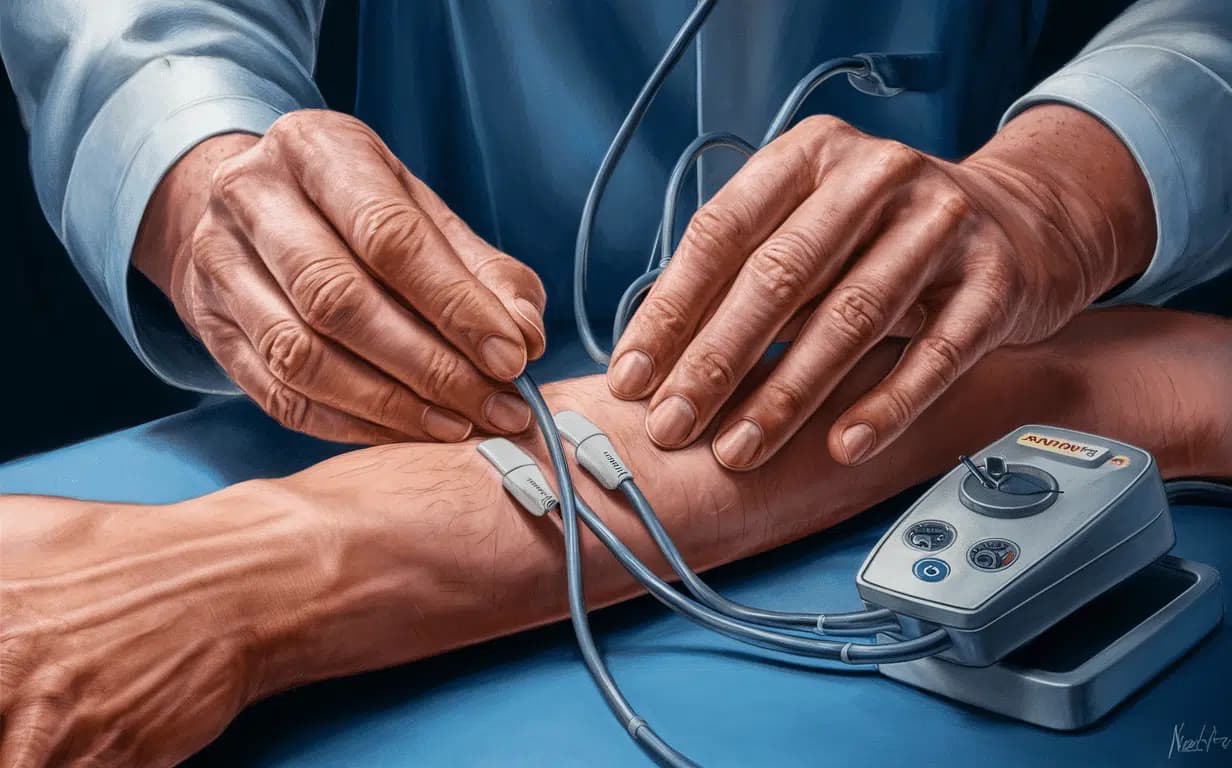
During a Nerve conduction studies for neuropathy study, electrodes are placed on the skin over the nerve area to be tested. A small electrical impulse is sent through the nerve, and the electrodes record the nerve’s response. This process measures the speed at which the electrical impulse travels through the nerve.
Preparing for a Nerve Conduction Study
Preparation for a nerve conduction study is straightforward: – Avoid applying lotions or oils to the skin before the test. – Wear loose-fitting clothing to allow easy access to the testing areas. – Inform your chiropractors about any medications or conditions that might affect the test results.
What to Expect During the Test
The test usually takes about 30 to 60 minutes. You might feel a slight tingling sensation or discomfort when the electrical impulses are delivered, but the procedure is generally well-tolerated.
Interpreting the Results
The results of a nerve conduction study can provide valuable insights into the type and extent of nerve damage. Here’s what you can expect from the findings:
Types of Neuropathy Diagnosed
- Peripheral Neuropathy: Damage to peripheral nerves, often causing pain and weakness in the hands and feet.
- Nerve Compression Syndromes: Conditions like carpal tunnel syndrome where nerves are compressed, leading to pain and numbness.
- Diabetic Neuropathy: A common complication of diabetes that affects the nerves.
What the Results Mean
- Normal Results: Electrical impulses travel through the nerves at a normal speed.
- Abnormal Results: Slower than normal conduction speed indicates nerve damage or dysfunction.
Real-Life Experiences
Many patients have found clarity and relief through nerve conduction studies. For example, John, a 45-year-old diabetic, experienced unexplained numbness in his feet. After undergoing a nerve conduction study, his doctor identified diabetic neuropathy and tailored a treatment plan that included lifestyle changes and medication adjustments. This personalized approach significantly improved John’s symptoms.
Comparing Nerve Conduction Studies to Other Diagnostic Tools
Common Conditions Diagnosed with Nerve Conduction Studies
Nerve conduction studies for neuropathy can diagnose a range of conditions, including: – Carpal Tunnel Syndrome and compression of the median nerve in the wrist. – Guillain-Barré Syndrome: An autoimmune disorder affecting the peripheral nervous system. – Herniated Disc: A condition where a disc in the spine compresses nearby nerves.
Conditions Leading to Neuropathy
Several conditions can lead to neuropathy, including:
- Diabetes: High blood sugar levels can cause nerve damage.
- Trauma: Injuries can lead to nerve damage.
- Infections: Certain infections, like shingles, can affect the nerves.
- Toxins: Exposure to toxins, including alcohol and certain medications, can damage nerves.
Managing and Treating Neuropathy
Effective management and treatment of neuropathy often involve a combination of strategies. Here are some common approaches:
Lifestyle Changes
- Diet: A balanced diet can help manage underlying conditions like diabetes.
- Exercise: Regular physical activity helps improve muscle strength and overall health.
- Avoiding Toxins: Limiting alcohol and avoiding exposure to harmful chemicals can protect nerve health.
Medications and Therapies
- Pain Relievers: Over-the-counter pain medications can help manage symptoms.
- Prescription Medications: Doctors may prescribe medications specifically for neuropathy.
- Physical Therapy: Exercises and therapies designed to improve strength and reduce pain.
Exploring Advanced Treatments
In some cases, more advanced treatments may be necessary to manage neuropathy effectively. These can include:
Nerve Stimulation
Electrical nerve stimulation can help reduce pain and improve nerve function in some patients. This therapy involves applying electrical impulses to the affected nerves to stimulate healing and reduce symptoms.
Surgery
In severe cases where nerve compression is causing significant pain and dysfunction, surgical intervention may be necessary. Procedures to relieve pressure on the nerves can provide significant relief and improve quality of life.
Real-Life Impact of Nerve Conduction Studies
Nerve conduction studies for neuropathy have made a profound impact on the lives of many individuals suffering from neuropathy. For example, Maria, a 52-year-old woman with a history of carpal tunnel syndrome, found significant relief after her nerve conduction study identified the exact location and extent of her nerve compression. With this information, her doctors were able to perform a targeted surgical procedure that alleviated her symptoms and restored function to her hand.
Tips for Maintaining Nerve Health
Maintaining nerve health is crucial for preventing neuropathy and managing existing conditions. Here are some tips to keep your nerves healthy:
- Manage Blood Sugar Levels: If you have diabetes, keeping your blood sugar levels in check is essential for preventing nerve damage.
- Protect Yourself from Injuries: Wearing protective gear and being cautious can help prevent traumatic injuries that could lead to neuropathy.
- Stay Hydrated: Proper hydration is essential for overall health and can help keep your nerves functioning properly.
- Quit Smoking: Smoking can damage your nerves and restrict blood flow, leading to further complications.
Simple Habits for Better Nerve Health
- Eat a Nutrient-Rich Diet: Incorporate foods rich in vitamins and minerals that support nerve health, such as leafy greens, nuts, and fish.
- Exercise Regularly: Engage in activities that promote cardiovascular health and improve circulation.
- Limit Alcohol Consumption: Excessive alcohol intake can damage your nerves and worsen neuropathy symptoms.
- Stay Active: Avoid prolonged periods of inactivity, as this can lead to muscle weakness and exacerbate neuropathy.
Foods Beneficial for Nerve Health
Nerve conduction studies for neuropathy are a powerful tool in diagnosing and managing neuropathy. By providing detailed insights into nerve function, these tests can guide effective treatment plans and improve the quality of life for those suffering from nerve damage. If you are experiencing symptoms of neuropathy, such as numbness, tingling, or pain, a nerve conduction study could be the key to understanding and managing your condition. Contact with the chiropractic care provider to determine if this diagnostic tool is right for you. Make an appointment for more information.