
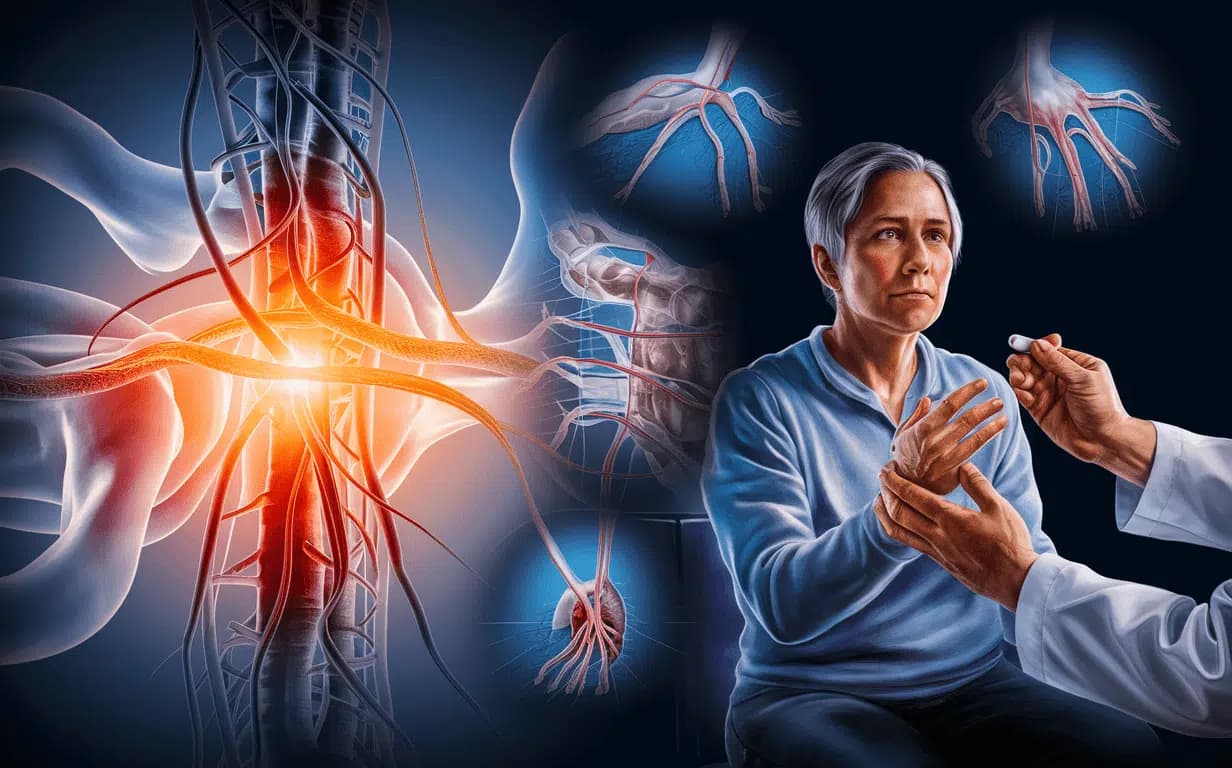
Neurological tests for neuropathy and their importance in diagnosing nerve damage. Learn about EMG, NCS, and managing peripheral nerve
Neurological tests for neuropathy can be a challenging condition to live with, but understanding it better can lead to effective management and relief. Neurological tests for neuropathy are essential tools that doctors use to diagnose and evaluate nerve damage. These tests provide valuable insights into the type, location, and severity of neuropathy, guiding appropriate treatment plans.
Key Takeaway
- Neurological tests for neuropathy help diagnose and assess the extent of nerve damage.
- Common tests include electromyography (EMG), nerve conduction studies (NCS), and skin biopsies.
- Electrodiagnostic tests and imaging studies offer detailed analysis of nerve function and structure.
- Real-life cases often highlight the importance of these tests in managing neuropathy effectively.
Table of Contents
The Importance of Neurological Tests
Neurological tests for neuropathy play a critical role in diagnosing neuropathy and guiding treatment. They identify nerve damage that might be causing symptoms such as pain, tingling, or numbness. These tests not only confirm the presence of neuropathy but also help pinpoint the underlying cause, which is essential for effective management.
Types of Neurological Tests for Neuropathy
Electromyography (EMG)
Electromyography measures the electrical activity of muscles at rest and during contraction. This test can detect abnormalities in muscle electrical activity that may indicate nerve damage.
Nerve Conduction Studies (NCS)
Nerve conduction studies measure how quickly electrical impulses move through nerves. By evaluating the speed and strength of these impulses, doctors can identify areas of nerve damage or dysfunction.
Skin Biopsy
A skin biopsy involves taking a small sample of skin to examine nerve fiber density. This test is particularly useful for diagnosing small fiber neuropathy, which affects the small sensory fibers in the skin.
Understanding Electrodiagnostic Tests
How They Work
Neurological tests for neuropathy, including EMG and NCS, involve stimulating nerves with electrical impulses and recording the responses. These tests help assess the functionality of both motor and sensory nerves.
What to Expect
Patients undergoing electrodiagnostic tests may experience mild discomfort from the electrical stimulation. However, these tests are generally well-tolerated and provide critical information about nerve health.
Imaging Studies for Neuropathy
Magnetic Resonance Imaging (MRI)
MRI provides detailed images of the body’s internal structures, including nerves. It can help identify structural abnormalities that may be causing neuropathy.
Ultrasound
Nerve ultrasound is a non-invasive imaging technique that uses sound waves to visualize nerves. It can help detect nerve compression or other structural issues contributing to neuropathy.
The Role of Blood Tests in Diagnosing Neuropathy
Blood tests can help identify underlying conditions that may cause neuropathy, such as diabetes, vitamin deficiencies, or autoimmune disorders. These tests are an essential part of a comprehensive evaluation of neuropathy.
Real-Life Experiences with Neurological Tests
Diabetic Neuropathy
John, a 55-year-old man with diabetes, began experiencing tingling and numbness in his feet. His doctor ordered nerve conduction studies and an EMG, which revealed significant nerve damage consistent with diabetic neuropathy. With this information, John and his doctor developed a targeted treatment plan, including blood sugar management and medications to alleviate symptoms.
Small Fiber Neuropathy
Maria, a 45-year-old woman, experienced burning pain in her hands and feet. After a series of tests, including a skin biopsy, she was diagnosed with small fiber neuropathy. This diagnosis allowed her to receive appropriate treatment, including medications and lifestyle changes to manage her symptoms.
Common Conditions Diagnosed with Neurological Tests
Peripheral Neuropathy
Peripheral neuropathy refers to nerve damage outside the brain and spinal cord. It can result from various conditions, including diabetes, infections, and exposure to toxins. Neurological tests are crucial for diagnosing and managing this condition.
Carpal Tunnel Syndrome
Carpal tunnel syndrome occurs when the median nerve is compressed at the wrist. Nerve conduction studies can help diagnose this condition by measuring the speed of nerve impulses through the carpal tunnel.
Advantages of Early Diagnosis
Early diagnosis of neuropathy through neurological tests can lead to more effective treatment and improved quality of life. Identifying nerve damage early allows for timely interventions that can slow the progression of the condition and alleviate symptoms.
Neurological Tests: A Step-by-Step Guide
Preparing for the Tests
Before undergoing neurological tests, patients should inform their chiropractor about any medications they are taking and any underlying health conditions. This information helps ensure accurate test results and safe testing procedures.
During the Tests
Patients undergoing EMG or NCS tests will have electrodes placed on their skin to measure electrical activity. These tests typically take 30 to 60 minutes to complete. For a skin biopsy, a small area of skin will be numbed before taking a tiny sample.
After the Tests
After the tests, patients can usually resume their normal activities immediately. Test results are typically available within a few days, and the doctor will discuss the findings and potential treatment options.
Understanding Your Test Results
Interpreting EMG and NCS Results
EMG and NCS results provide information about the health of muscles and nerves. Abnormal results can indicate nerve damage, which may require further evaluation and treatment.
Skin Biopsy Results
Skin biopsy results show nerve fiber density and can help diagnose small fiber neuropathy. Reduced nerve fiber density is a key indicator of this condition.
Imaging and Blood Test Results
Imaging studies and blood tests provide additional information about the underlying causes of neuropathy. These results help guide the overall management plan.
Managing Neuropathy After Diagnosis
Treatment Options
Treatment for neuropathy depends on the underlying cause and severity of the condition. Common treatments include medications, physical therapy, and lifestyle changes.
Lifestyle Modifications
Lifestyle modifications, such as maintaining a healthy diet, exercising regularly, and managing underlying health conditions, can help manage neuropathy symptoms and improve overall health.
Follow-Up Care
Regular follow-up appointments with a healthcare provider are essential for monitoring the progression of neuropathy and adjusting treatment plans as needed.
Tips for Patients Undergoing Neurological Tests
- Communicate Openly with Your chiropractor Share any symptoms, medications, and health conditions with your doctor to ensure accurate test results.
- Follow Pre-Test Instructions: Follow any pre-test instructions provided by your chiropractor to prepare for the tests.
- Stay Relaxed During the Tests: Staying relaxed during the tests can help ensure accurate results and reduce discomfort.
- Ask Questions: Don’t hesitate to ask your doctor any questions about the tests, procedures, and what to expect.
Common Neurological Tests and Their Uses
Blood Tests for Diagnosing Neuropathy
Final Thoughts
Neurological tests for neuropathy are invaluable tools for diagnosing and managing this complex condition. By understanding the different types of tests and their purposes, patients can take an active role in their chiropractic care journey. Early diagnosis and appropriate treatment can significantly improve quality of life for those living with neuropathy.
A comprehensive guide to neurological tests for neuropathy, offering practical insights and real-life experiences to help understand and manage this condition effectively.